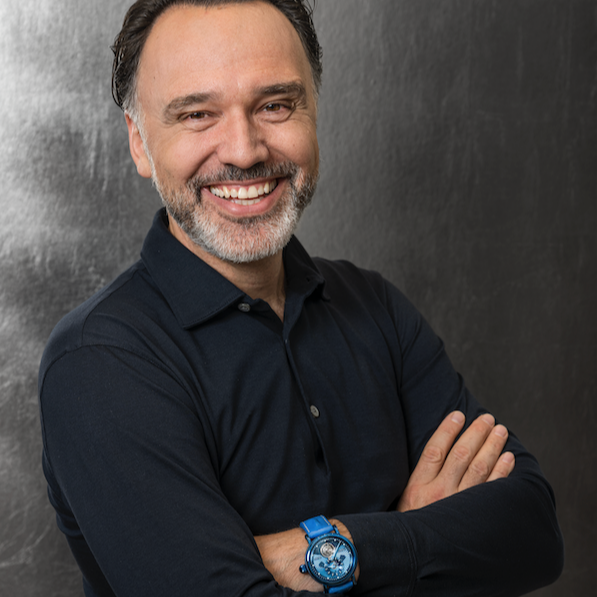
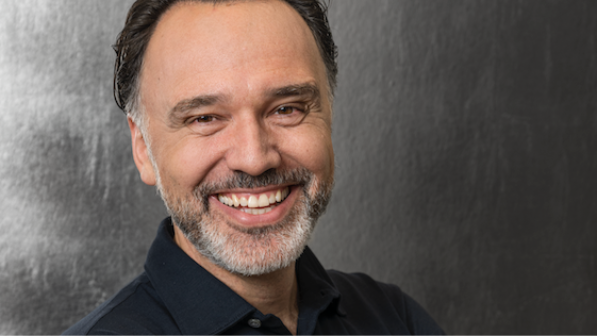
With an unlikely path between banking, the pharmaceutical industry, and watchmaking, Oliver Ebstein took over the leadership of ChronoSwiss with the mission of preserving the Swiss brand’s DNA. In an interview with My Star Luxury, Ebstein talks about tradition, family, the global market, and the challenges of keeping the passion for mechanical watches alive in an increasingly digital world.
This unlikely path of his was extensive. How do you describe your journey before joining ChronoSwiss…
Before entering the world of watchmaking, I worked for many years in banking and in the pharmaceutical and nutraceutical industries. I was an employee, but with management functions, and I was even responsible for the construction of factories, as happened in Romania. I traveled a lot and dealt with complex projects. Despite this, I have always been passionate about watches. I come from a family linked to jewellery, so since I was a child, I went to fairs in Basel. While my parents went to the jewellery sector, I went to the watch side and came home with dozens of catalogues. My first real chronograph was a gift from my grandfather, and from then on, I became a true enthusiast of mechanical watchmaking. I never thought, however, that I would work in this sector. I’ve always been a big fan of ChronoSwiss, and I joined the company almost by chance when I met the founder, Gerd-Rüdiger Lang, and we started talking at length about watches, history, and design.
How did the opportunity to take over the brand come about?
It was a happy coincidence. A mutual friend made the presentation, and we started talking for hours. Mr. Lang quickly realized that I knew the brand deeply and that I didn’t want to change it radically. At the time, he was looking for someone who would continue his dream. His daughter was not going to take over the company, and he wanted to ensure that ChronoSwiss’s identity was respected. I think he felt that I wasn’t going to “reinvent the wheel” but rather evolve the brand carefully.
How is the essence of ChronoSwiss designed today?
ChronoSwiss has very strong and recognizable elements: the crown, the lugs, the bezel, and the classic design language. That’s part of our DNA. We always have what I call a “red line”. We can innovate in the dial, in the materials, or in the colors, but we can never exceed this limit. A watch has to be recognized as ChronoSwiss at first glance. When I entered the industry, someone said to me: “You have to make sports watches”. We started making sports watches, and it didn’t work. That’s the problem, you have to test, and you can’t trust everyone. You must have your own enthusiasm and feelings. Some mistakes cost a lot of money, but now we’re on the right track.
In an industry that has changed in recent years, is ChronoSwiss still a family business?
Yes, it continues. We are about 30 people, which allows us to maintain a close and very human environment. My daughters are still young; they are 14 and 16 years old, but they have already spend some time in the company during the holidays. They do simple tasks, help with logistics and inventory, and learn how everything works. The youngest especially likes to work with her hands, polish pieces, and handle materials. They must know the business from an early age, even if in the future they choose another path.
“The United States has returned to being our largest single market. They have a strong watchmaking culture and an audience that values niche and high-quality products.”
The regulator is one of the symbols of the brand. Why is it so important?
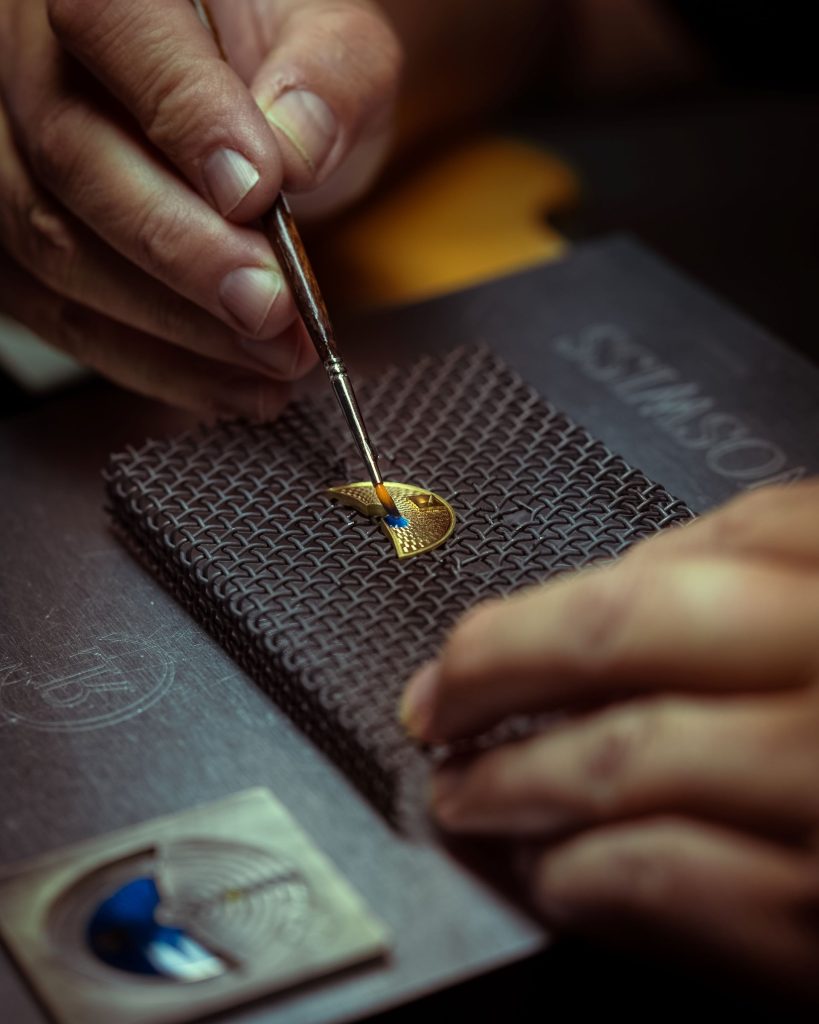
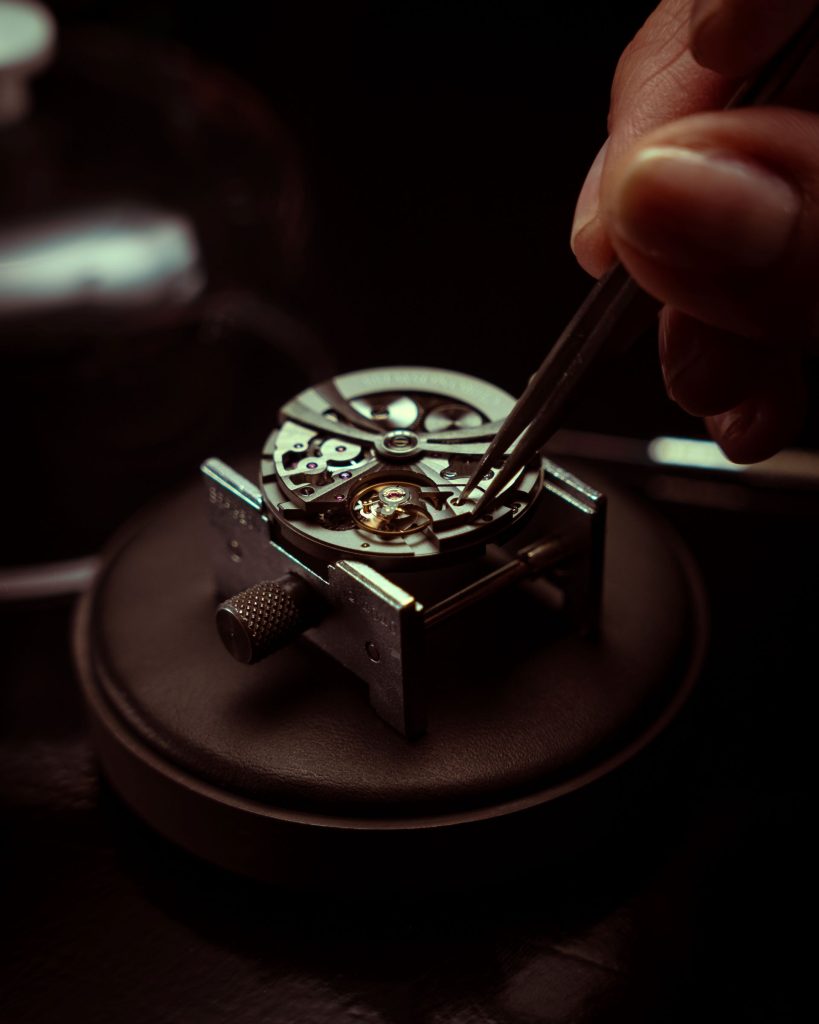
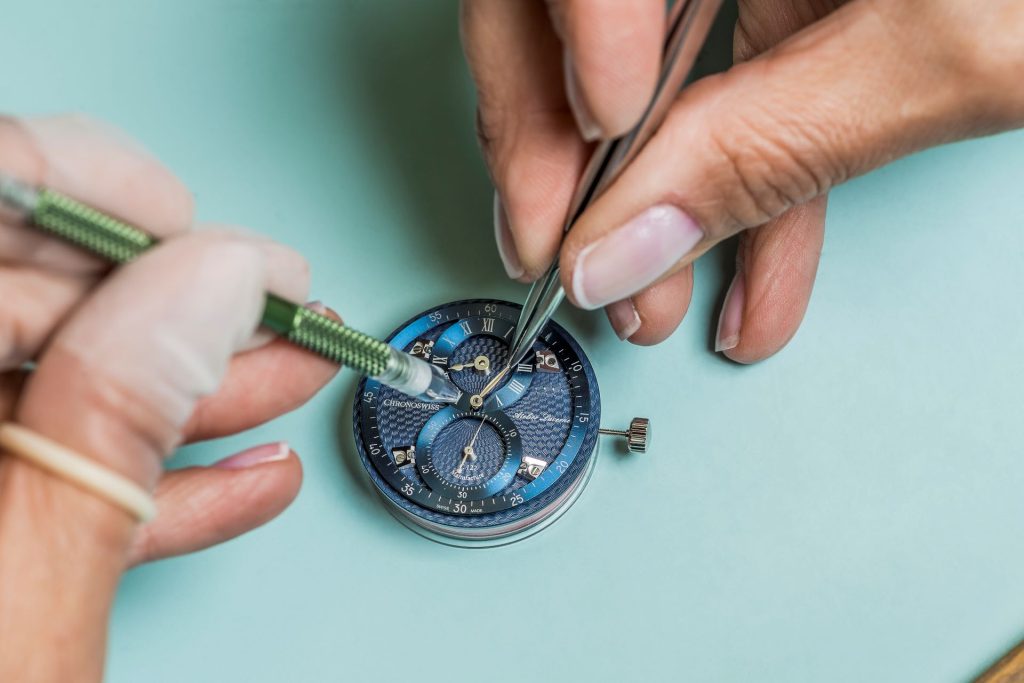
The regulator is linked to the founding of ChronoSwiss in 1983, during the quartz crisis. At that time, Mr. Lang had few resources and started practically from scratch, with pieces he received as payment. The idea was to make mechanical watches interesting again. One of the solutions was to adapt the regulator — traditionally used in wall clocks — to the wrist. This was something innovative at the time. It worked very well and became a signature of the brand. Today, about half of our clocks are still regulators.
What values guide your leadership style?
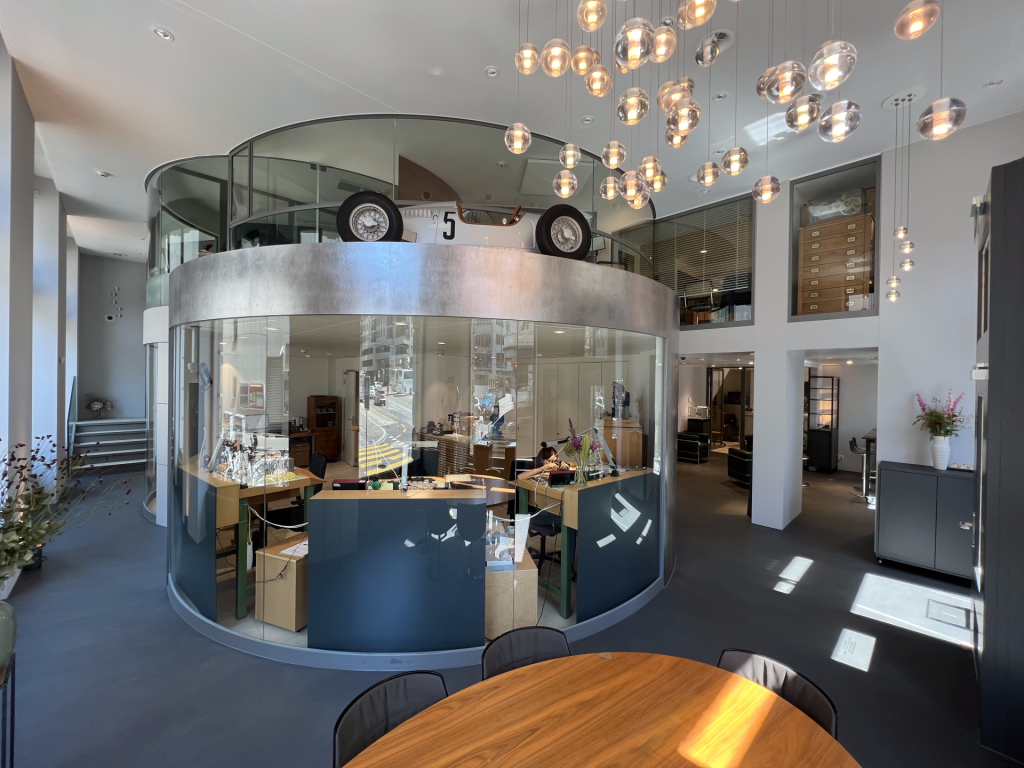
We have a very flat hierarchy. We are a great team, and we are a family-sized company. I like to listen to the watchmakers, the designers, and the sales team. I want to know what they think about the products and how customers react in different markets. We work in an open office, where information circulates naturally, helping us to understand well the quality of the movement, the techniques, the marketing, and the markets. I believe that people only truly commit when they feel respected and valued.
Why was it important to simplify the brand portfolio?
When I took over the company, we had about 70 models and an extremely complex supply chain. It was difficult to manage, expensive, and inefficient. We didn’t have true product families. Everything was ChronoSwiss, but without a clear structure. In addition, the financial situation was not the best. We decided to reorganize everything, create modular platforms, and define well-defined families. This facilitated production and made the brand more coherent, especially to attract younger customers.
How do you balance tradition and innovation in designs?
Our slogan is “Modern Mechanics”. It sums up what we do well. We use modern materials, current technologies, and a contemporary visual language. At the same time, we value craftsmanship, enamel, and traditional gears. I like to use the Porsche 911 as an example: it’s a modern car, but recognizable for decades. Our goal is to evolve without losing our roots.
“ChronoSwiss lives between mechanical heritage and modern innovation”
How do you see the future of mechanical watches in the age of smartwatches?
At first, we were worried. When the iWatch came out, we were reminded of the quartz crisis of the 80s. But today I realize that they are different products. The smartwatch is a tool for daily use that is changed every two or three years. The mechanical watch is an emotional piece; it is an investment piece, almost a jewel. Swiss industry has adapted. It produces less in volume, but much more in value. The 20 billion in turnover in watches in Switzerland are luxury watches.
Are the acceptance of cryptocurrencies and the second-hand market part of this adaptation?
Yes. We were among the first to accept Bitcoin, back in 2017 or 2018. We had a customer who bought 150 watches this way. At the time we exchanged it for Swiss francs, because we needed liquidity — today it would have been a great investment (laughs). We have also created the CPO program for certified second-hand watches. Our watches are quite expensive, and this allows us to control quality, offer a warranty, and make the brand accessible to more people. For us, it is essential to maintain a close relationship with the customer, whether they are buying a new or used watch.
How do you view online sales in relation to retailers?
Today, you need to be accessible wherever you are. We have direct sales online because today people want to buy immediately, wherever they are. This is a reality. But we continue to value local retailers very much. They speak the customer’s language, know the culture, and create long-term relationships. We always try to refer the customer to them when possible.
What new features can we expect from ChronoSwiss in the coming years?
Many. I don’t know where to start. We want to have three different families, three different directions, all with ChronoSwiss DNA. We are developing new product families, new complications and new movements. We are also recovering ancient craft techniques and combining them with modern technology. We invest a lot in in-house development — dials, guilloché, design and modules are made by us. We work with partners for movements, but the concept and intellectual property are always ours.
What message do you leave to Portuguese enthusiasts?
Portugal is very special to me. We have been present here for more than 30 years and work with partners who are also family businesses. The Portuguese have a sophisticated taste, value design and know-how. There are markets where people don’t value this as much as in Portugal. It is a market that truly understands what we do. The Portuguese are very close to my heart, and I hope to continue to grow here for many years to come.